
Have you ever come home from a trip feeling more exhausted than before you left? You are not alone. Rushing from one landmark to the next often leaves travelers drained instead of refreshed.
That is where mindful travel comes in. Mindful travel means slowing down, staying present, and connecting deeply with the places and people you visit. It is not about doing less; it is about experiencing more of what actually matters.
In this guide, you will learn what mindful travel really means, why it is growing in popularity, and how you can start practicing it on your very next trip. Whether you are a solo backpacker, a busy parent, or a digital nomad, these tips will help you travel with more purpose and less stress.
What Is Mindful Travel?
Mindful travel is the practice of traveling with full awareness, intention, and presence, rather than rushing through a checklist of tourist attractions. It blends elements of conscious, slow, and sustainable travel into a single thoughtful approach.
At its core, mindful travel is built on three simple principles:
- Presence: being fully engaged in the moment instead of planning the next stop
- Intention: choosing destinations and activities that align with your values
- Respect: honoring local communities, cultures, and the environment
Unlike traditional tourism, which often prioritizes speed and quantity, mindful travel prioritizes depth and quality. It matters today because so many people feel overwhelmed by fast-paced, hyper-scheduled lifestyles. A mindful traveler seeks the opposite: space to breathe, reflect, and genuinely connect.
Why Mindful Travel Is Becoming More Popular
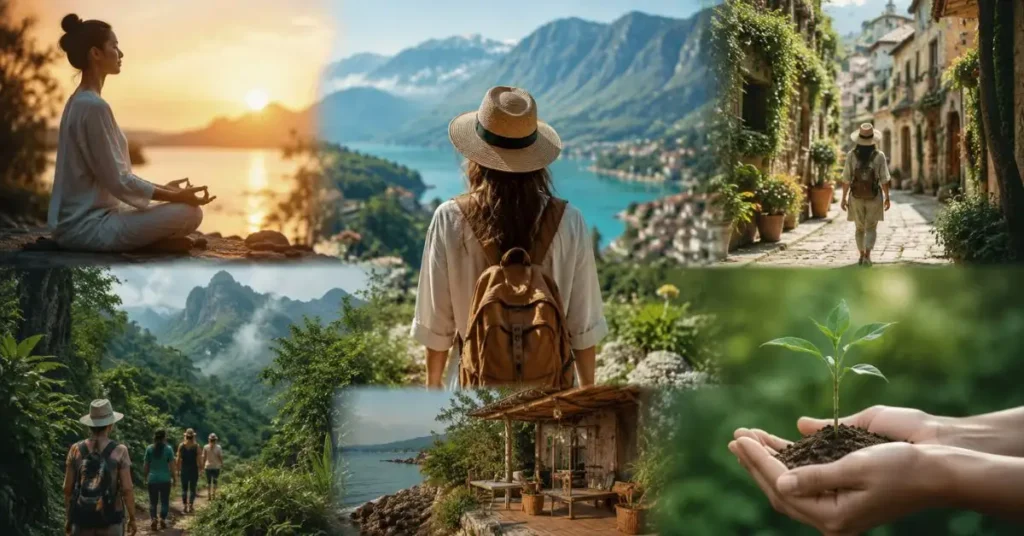
Several cultural shifts are driving the rise of mindful and intentional travel:
- Mental wellness awareness. More travelers now see trips as opportunities for wellness travel and mental reset, not just sightseeing.
- Slower lifestyles. The slow living movement has spilled into how people plan vacations, favoring fewer destinations over longer stays.
- Environmental awareness. Concerns about overtourism and climate impact are pushing travelers toward eco-friendly travel choices.
- Better travel experiences. Many people have realized that rushing through ten cities in ten days rarely creates lasting memories; authentic experiences do.
Together, these shifts have turned mindful travel from a niche idea into a mainstream movement embraced by wellness travel and eco-conscious travel communities alike.
Benefits of Mindful Travel

Traveling mindfully offers rewards that go far beyond a nice Instagram photo:
- Less stress: Slower itineraries reduce the pressure of constant movement. Instead of racing between five attractions a day, you give yourself room to breathe, which lowers travel fatigue and keeps small hiccups from feeling like emergencies.
- Better mental health: Time in nature and unstructured moments support emotional wellbeing. Studies on nature exposure consistently link green spaces and slower routines to lower anxiety and improved mood, and mindful travel builds both into the itinerary on purpose.
- Stronger cultural connections: Genuine conversations replace rushed photo stops. When you are not constantly checking the time, you notice the small human moments: a shared meal, a local recommendation, a shopkeeper’s story that turns a trip into a real memory.
- Sustainable tourism: Supporting local communities helps preserve destinations for future travelers. Choosing local guides, markets, and family-run stays keeps tourism income in the community instead of flowing out to distant corporations.
- Environmental protection: Reduced consumption and waste ease pressure on fragile ecosystems. Slower travel usually means fewer flights, less single-use plastic, and lighter impact on the natural sites people came to see in the first place.
- Budget-friendly travel: Staying longer in fewer places often costs less than constant transit. Fewer flights, fewer transfers, and longer accommodation stays frequently unlock better rates than a fast-paced, multi-city hop.
- Improved personal growth: Reflection and presence often lead to real self-discovery. Unstructured time gives your mind space to process, notice patterns, and return home with genuine perspective rather than just a packed camera roll.
- Deeper sense of gratitude: Slowing down naturally shifts focus from “what’s next” to “what’s here,” and that shift often carries home with travelers long after the trip ends.
How to Practice Mindful Travel
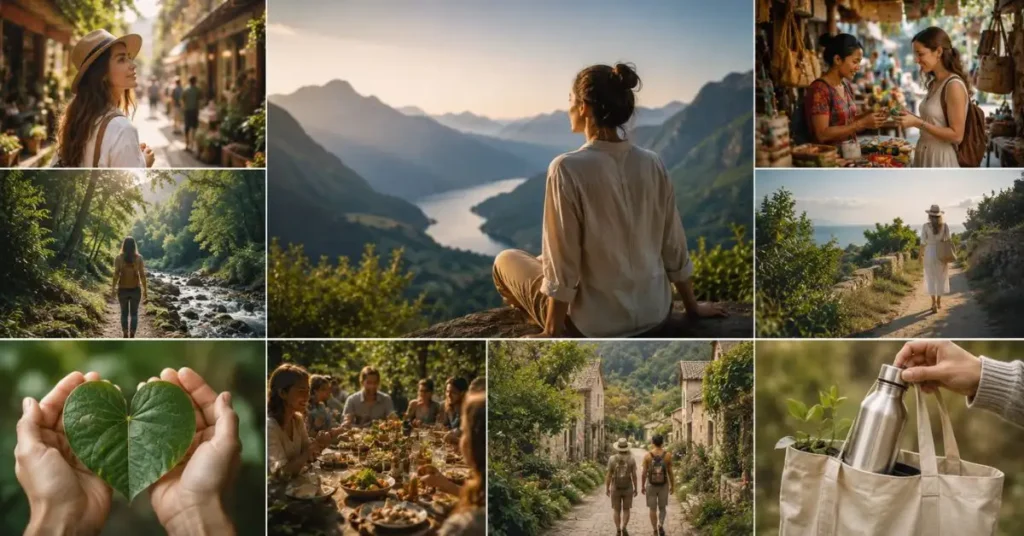
Ready to travel mindfully? Follow this simple, step-by-step approach.
Plan with Purpose
Before booking anything, ask yourself why you want to visit a place. Choose destinations and activities that genuinely interest you, rather than following trends.
Choose Sustainable Accommodation
Look for eco-certified hotels, locally owned guesthouses, or green-certified lodges. These choices support responsible tourism and reduce your environmental footprint.
Support Local Businesses
Eat at family-run restaurants, buy handmade souvenirs, and hire local guides. Your money stays within the community rather than going to large international chains.
Respect Local Culture
Learn a few local phrases, dress appropriately for religious sites, and observe local customs. Cultural respect is at the heart of ethical tourism.
Reduce Plastic Waste
Carry a reusable water bottle, tote bag, and utensils. Small habits add up to meaningfully less waste on the road.
Disconnect from Technology
Try a short digital detox travel period each day. Put the phone away during meals or scenic moments to stay truly present.
Spend More Time in One Destination
Instead of hopping between five cities, pick one or two and explore them deeply. This is the essence of slow travel.
Travel Slowly
Choose trains over flights when possible, walk instead of taking taxis, and build rest days into your itinerary. Slower pace, deeper experience.
Best Destinations for Mindful Travel
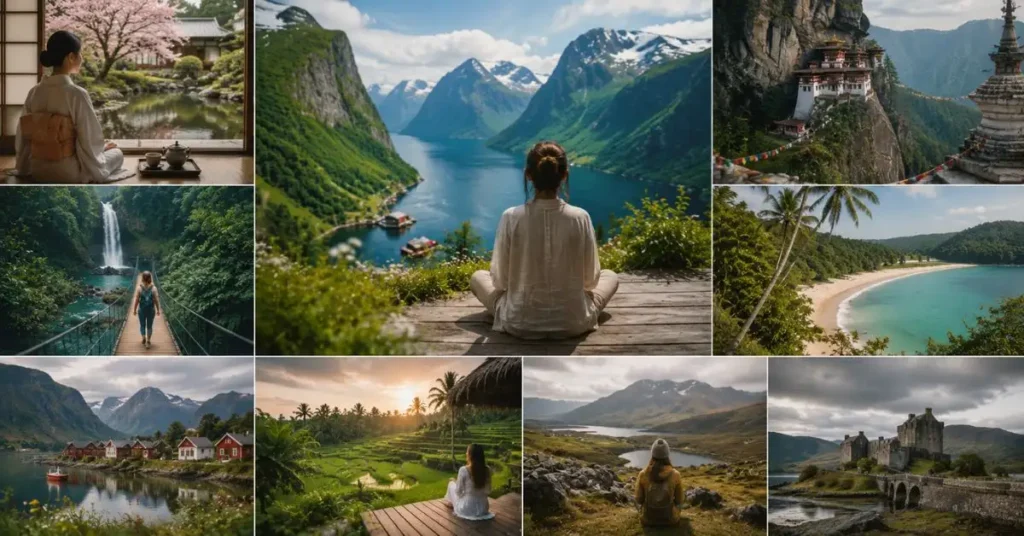
Some places naturally lend themselves to a mindful pace:
- Japan: Ryokan stays and tea ceremonies encourage slowing down and being present.
- Bhutan: A country built around the “Gross National Happiness” philosophy.
- New Zealand: Vast nature and eco-lodges make quiet reflection easy.
- Costa Rica: A global leader in sustainable tourism and biodiversity conservation.
- Norway: Fjords and small towns invite unhurried nature travel.
- Bali: Wellness retreats and rice terraces support digital detox travel.
- Scotland: Slow-paced Highland walks and deep local history.
Each of these destinations rewards travelers who slow down and engage rather than rush through.
Mindful Travel vs Traditional Tourism
| Factor | Mindful Travel | Traditional Tourism |
|---|---|---|
| Purpose | Deep connection and meaning | Sightseeing and checklist completion |
| Pace | Slow and intentional | Fast and packed |
| Environmental Impact | Low, eco-conscious | Often high |
| Budget | Often lower (fewer transfers) | Can be higher (constant transit) |
| Local Interaction | High, community-focused | Limited, surface-level |
| Stress Level | Low | Often high |
| Experience Quality | Deep and memorable | Broad but shallow |
Common Mistakes to Avoid

Even well-meaning travelers fall into these traps:
- Overplanning every single hour of the trip
- Visiting too many places in too little time
- Ignoring local customs or dress codes
- Excessive screen time instead of engaging with surroundings
- Overpacking, which adds stress and waste
- Wasteful habits like single-use plastics and excess food waste
Practical Tips for Beginners

- Start with one mindful trip before overhauling your entire travel style. You do not need to change everything at once; try these habits on a single short trip first and see how it feels.
- Choose one destination instead of a multi-city hop. Settling into one place lets you actually get to know it, instead of collecting quick glimpses of many.
- Book at least two “no plan” days per week of travel. Leave these days completely open so you can follow your mood instead of a rigid schedule.
- Pack a reusable bottle, bag, and utensil set. These small items cut down on single-use plastic and waste throughout your trip.
- Research one local custom before you arrive. Understanding even one cultural norm, greeting, or etiquette rule shows respect and helps you avoid awkward missteps.
- Set a daily phone-free window, such as during breakfast. Protecting even thirty minutes a day for full presence makes a noticeable difference in how connected you feel.
- Ask locals for recommendations instead of relying only on guidebooks. Locals often know the small, meaningful spots that never make it into travel apps.
- Journal each evening to reflect on the day. A few sentences before bed help you process what you saw, felt, and learned, turning experiences into lasting memories.
- Offset your carbon footprint when flying long distances. Many airlines and third-party programs let you contribute to verified carbon-reduction projects at checkout.
- Permit yourself to skip an attraction if you need rest. Missing one landmark to recharge is not a failure; it is exactly the kind of intentional choice mindful travel is built on.
Conclusion
Mindful travel is not about doing less; it is about experiencing more of what truly matters. In a world that constantly pushes us to move faster, see more, and check off longer lists, choosing to slow down can feel almost radical. But that is exactly why it works.
By planning with purpose, choosing sustainable accommodation, supporting local communities, and staying present in each moment, you transform an ordinary trip into something far more meaningful. You come home not just with photos, but with real memories, deeper cultural understanding, and a calmer mind. You also leave a lighter footprint on the places you visit, helping ensure they remain just as special for the travelers who come after you.
FAQs
What is Mindful Travel?
Mindful travel means traveling with full awareness and intention, focusing on genuine connection with people and places rather than rushing through a checklist of attractions.
Why is Mindful Travel important?
It reduces stress, deepens cultural understanding, and supports sustainable tourism, helping both travelers and the destinations they visit thrive long-term.
How do you practice Mindful Travel?
Plan with purpose, choose sustainable stays, support local businesses, respect culture, reduce waste, and slow your overall pace of travel.
What are the benefits of Mindful Travel?
Benefits include lower stress, better mental health, stronger cultural connections, reduced environmental impact, and often lower overall costs.
Is Mindful Travel sustainable?
Yes. Mindful travel closely aligns with sustainable tourism by favoring local businesses, reducing waste, and minimizing environmental impact.